The Algorithmic Enterprise
CFE’s research ensures future enterprises can manage, govern and ultimately benefit from the co-existence of humans and machines.
Digital Economy and Society (DES)
COLINE – Complex Links of Neighbourhoods (Driving Urban Transition, HORIZON- CL5-2021-D2-01-16)
commenced in 2025 and focuses on reshaping urban living through the integration of architecture, mobility, and economics to foster sustainable cities. By leveraging mobile data and artificial intelligence, the project aims to enhance neighbourhood amenities, mitigate segregation, and advance climate objectives.
Information Systems and Technologies (IST) research stream
Within ALGORTIMI, the Department of Information Systems promotes a research stream entitled Information Systems and Technologies (IST) that encompasses the following areas: IST in Organisations and Society; Adaptive and Intelligent IST; and Engineering and Management of Software-Based IST.
MARTINA
This project, financed by the European Regional Development Fund, Region Norrbotten, Skellefteå Municipality, aims to boost innovation capacity and competitiveness of SMEs in Northern Sweden by promoting applied AI and digital technologies. Through research-based pilot projects and infrastructure development, the project seeks to help businesses create sustainable innovations and stay competitive in a global market. […]
ERASMUS 2023 DigiUni – Digital University – Open Ukrainian Initiative
The project is initiated to create an inclusive digital educational ecosystem in Ukraine to ensure continuous, high-quality, inclusive, and transparent education, regardless of the student’s location, with the use of existing digital innovations in the field of education and the understandable paradigm of involving future innovations.
The Trusted Enterprise
CFE’s research ensures future enterprises can explicitly design and capitalise on trusted solutions.
Future Ethics
The Building Blocks of the Digital Economy project
launched in 2024; Funding organisation: Ministry of Culture and Innovation, Hungary; Source: NRDI Fund) investigates the creation, combination, and diffusion of technological components underpinning the digital economy. Using large-scale datasets on software libraries and programming language usage, it seeks to uncover the dynamics driving digital innovation.
ROSETTA programme
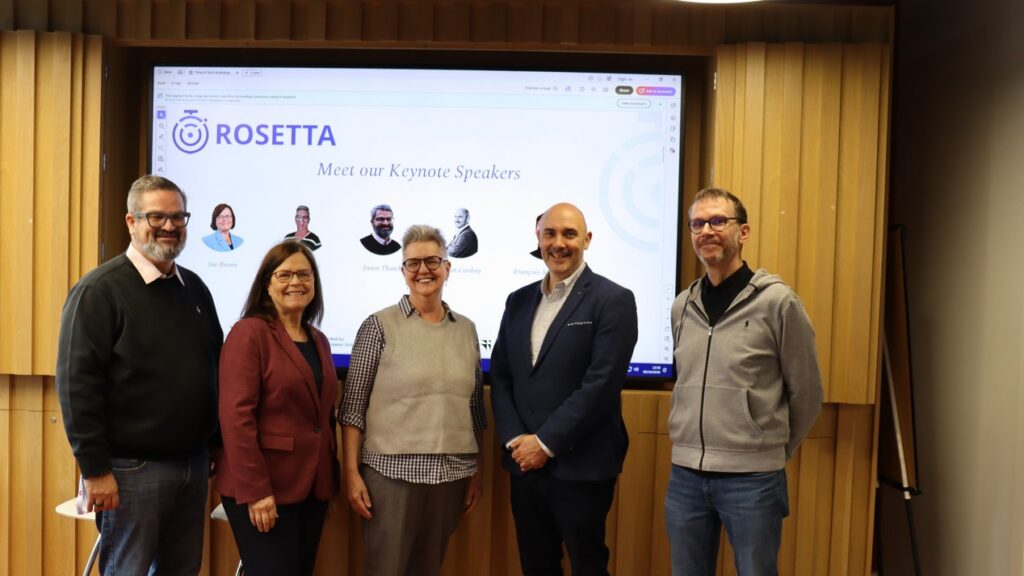
The ROSETTA programme is centred on developing future leaders in Information Systems who will explore the development, use, and regulation of technology through a time-based and human-centred perspective. Their research spans critical aspects of digital life—from the experiences of children and people with disabilities to the transformation of work, healthcare, and social inclusion for older […]